Inspection first, then the method that fits the species and the building — with the vacate window, the preparation list and the written clearance stated before anything is applied.
Termites are treated differently depending on where they are working and what the building sits on. The inspection decides which of these applies — not the price list.
Soil treatment
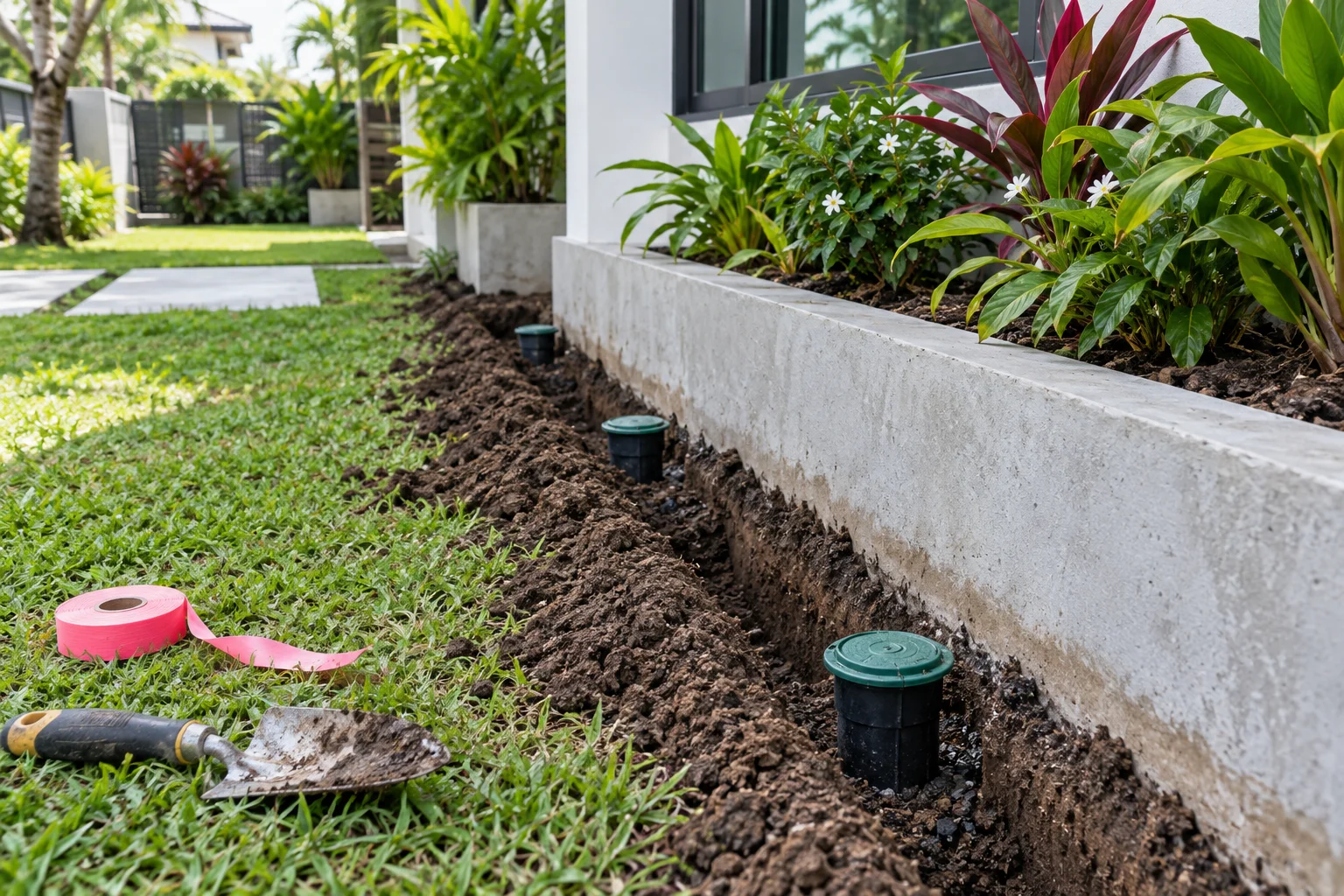
A treated barrier along the foundation and around service entries. Suits landed property and ground-floor units where the colony is entering from the soil.
Baiting & monitoring
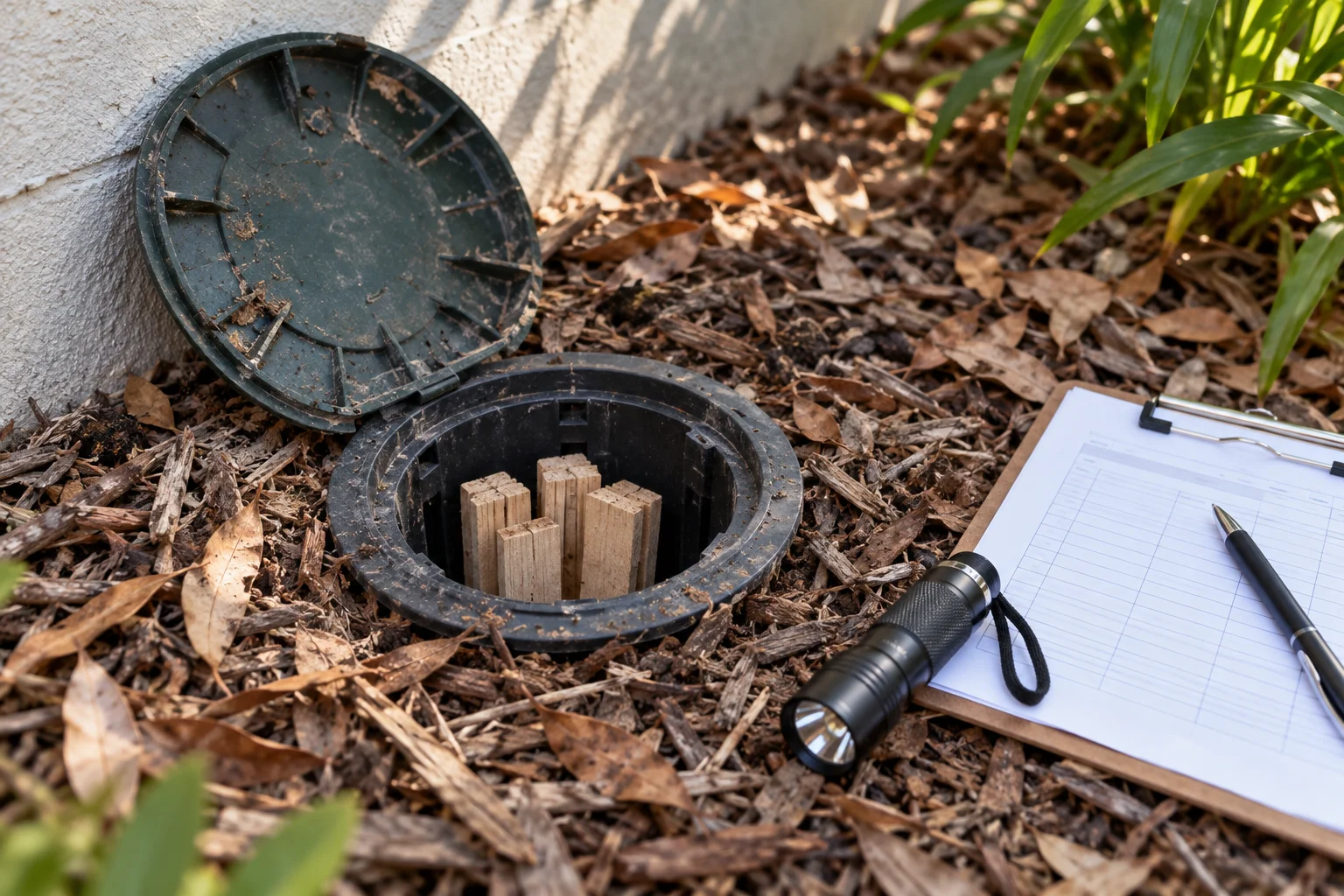
Stations placed around the perimeter, inspected on a schedule, with the colony fed back to. Suits properties that cannot be vacated or disturbed.
Full fumigation
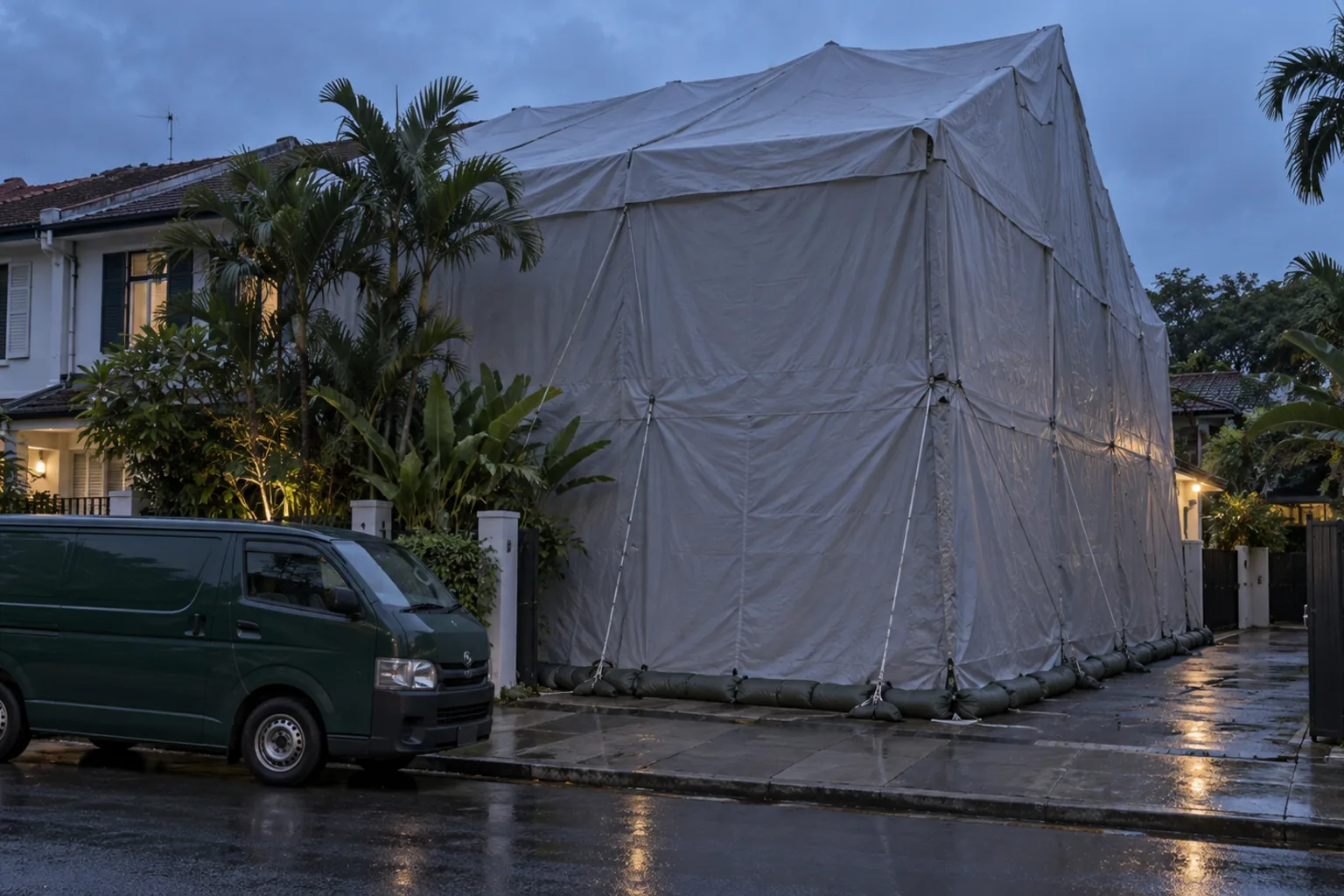
The whole structure is sealed and treated, then cleared. The only method that treats what is inside the walls — and the only one that requires everyone to move out.
Three treatments, written up
What the plan actually commits to.
Each job below is written the way our proposals are written: what the inspection found, the method it pointed to, and what the property had to do before treatment. The method follows the finding, never the other way round.
LANDED HOUSE / FULL FUMIGATION
Landed house · full fumigation, whole structure
Three nights out / preparation list 10 days ahead / written clearance before re-entry
Live activity found in a door frame and along a ground-floor skirting, with the infestation already in the wall structure.
The nights out, and the document that ends them ↗
Baiting alone was ruled out once the activity reached the wall structure, so the property was tented. The preparation list went out ten days ahead: plants, food and medication, the aquarium, and what stays sealed in bags. The proposal stated three nights out with one contingency night priced in advance, so a reading that does not clear on the expected day is already covered. Nobody returns until the clearance reading is taken and written clearance is issued the same day, naming the reading, the time and who authorised re-entry.
LANDED OR TERRACE HOUSE / CORRECTIVE DRILLING
Landed or terrace house · corrective drilling, occupied
Ports drilled and injected / unit stays occupied / monitoring schedule issued
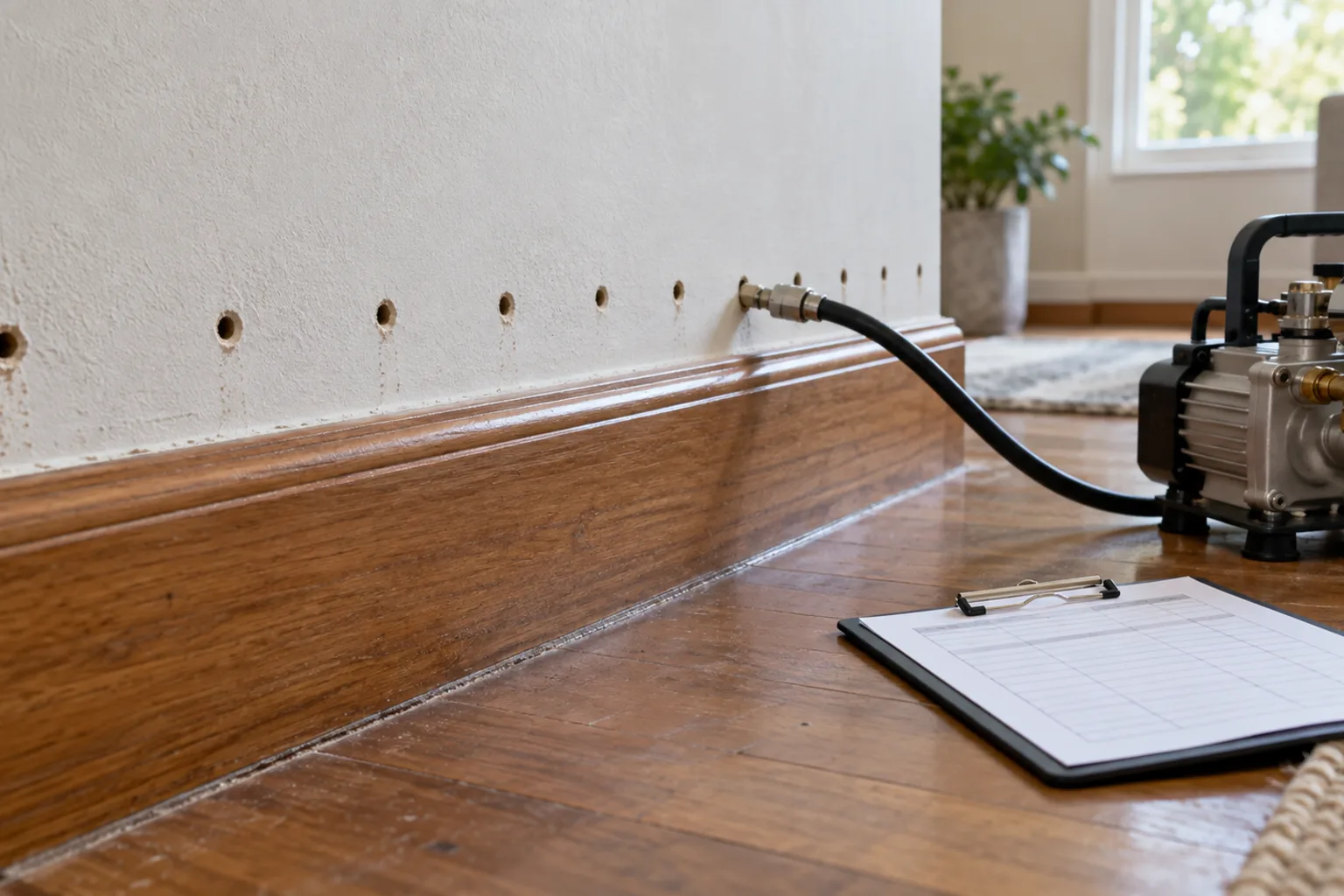
Mud tubes found behind a skirting board in a corner room, with no live activity visible on the surface.
Why the floor and wall were opened, and what closed them ↗
The inspection traced the run behind the skirting and into the floor slab, so ports were drilled at a measured spacing and the termiticide injected under pressure, then sealed and finished flush. The household stayed in the property: only the treated rooms were cleared for the day, with the work done in one visit and the finishing done the same afternoon. The written record names the ports, the material and the volume applied, and the monitoring stations that follow are issued with the warranty document rather than as an optional extra.
CONDOMINIUM UNIT / BAITING & MONITORING
Condominium unit · baiting and monitoring, unit occupied
Stations on the stated schedule / no vacate / warranty tied to the visits
Entry traced to a planter box against the block wall, with the unit occupied and no question of moving out.
The barrier that was not needed, and the schedule that was ↗
Because the colony was feeding from the planter and had not reached the unit's structure, a barrier was not specified. Stations were set around the planter and serviced on a stated cycle, with the timber in each station read and recorded at every visit. The schedule is part of the warranty document: the cover holds while the visits are kept, and a missed visit is written into the record rather than forgotten.
Method, treated area, materials and warranty terms are named in the proposal before anything is applied, and the affected party is told what to do before the visit rather than on the day.
From report to clearance
Six stages, each one written down.
Treatment is the middle of the job. The parts that decide whether it holds are the inspection before it and the documentation after it.
1 · Inspection
A technician walks the property, reads the activity and traces the entry. Output: an inspection report naming the species, the entry points and the moisture conditions.
2 · Method & scope
The report decides the method; you decide whether to proceed. Output: a proposal stating the method, the treated area, the time required and what is excluded.
3 · Preparation
You receive the preparation list and the vacate dates. Output: a dated checklist of what leaves the property and what stays sealed.
4 · Treatment
Barrier, stations or tenting, carried out to the method in the proposal. Output: a treatment record with areas covered and materials used.
5 · Clearance
Where fumigation applies, the property is tested before anyone returns. Output: a written clearance with the reading and the time it was taken.
6 · Monitoring
Stations and the treated area are checked on the stated schedule. Output: a visit record each time, and the warranty document that ties the schedule to cover.
What moves the price
Priced from the inspection.
No method can be quoted honestly before the property has been read. These figures show the shape of the ranges, not the answer for your property.
Illustrative concept pricing, not a quotation. Ranges depend on the treated area, the species and extent of activity, access to the affected areas, the number of storeys, and the monitoring schedule that goes with the chosen method. The written proposal follows an inspection and states the treated area, the materials, the time, the exclusions and the monitoring schedule. The written proposal states the treated area, the materials and the monitoring schedule, and the figure for your property arrives with it.
Service
What it includes
From
Inspection Deducted from the treatment if you proceed
Property walk-through, species identification, written report with entry points and photographs
S$180
Soil treatment Barrier and monitoring stations
Treated barrier to the stated perimeter, stations installed, monitoring schedule issued
S$1,400
Baiting system Occupied properties
Stations placed and serviced on schedule, with the colony activity recorded each visit
S$900
Full fumigation Whole structure, vacate required
Tenting, sealing, treatment, clearance testing and written clearance
S$3,200
What moves it further: the treated perimeter length, more than one storey, planter boxes and soil beds, concealed voids that have to be opened, out-of-hours access, and the frequency of the monitoring schedule. Each is a line in the proposal.
Written scope
What treatment does not promise.
Two lists agreed before any material is applied — and one honest limit, because the alternative is a sentence nobody can keep.
Treatment of the areas named in the proposal, with materials recorded
Monitoring stations and the visits on the stated schedule
Clearance testing and written clearance where fumigation applies
Documentation for the property file, including the warranty terms and what they cover
Outside it
Repair or replacement of timber already damaged — that is carpentry, not pest work, and we say so rather than quoting for it
Reinstatement of planters, soil beds or landscaping disturbed by the treatment
Treatment of a neighbouring property, which the neighbour must commission
Removal, packing or storage of contents during a vacate
Concealed works that need a builder to open a void before we can treat it
The honest limit: treatment clears the activity we find and treats the area we can reach. It does not make a property permanently immune, and no operator can promise that — a new colony can arrive from outside the treated area. The warranty covers re-treatment within its term, not damage that had already occurred before it started.
If fumigation is the method
The vacate, the list, and the way back in.
Fumigation is the only treatment where the wrong preparation puts the treatment at risk. So the list is numbered, the vacate is dated, and nobody re-enters before the reading is taken.
Preparation list
Numbered and issued days ahead: sealed bags for food and medication, plants removed, aquarium fish and water moved out, gas appliances disconnected, and what the crew handles on the day.
Who does what
The owner packs and removes; the crew seals, tapes and monitors. Anything the crew must move is agreed and priced before the visit, never improvised on the day.
Nights out
The vacate period is stated in the proposal with the days it covers, and one contingency night is priced in advance so a delay does not become an argument.
Re-entry
Nobody returns until the clearance reading is taken and written clearance is issued. That document states the reading, the time it was taken and the person who authorised re-entry.
Warranty cover is attached to the schedule, not to the payment: the monitoring visits must be kept, and the areas treated must not be disturbed by later building works. The warranty document names what voids it, so the terms are readable before you agree, not after a claim.
Client perspective
“They told us three nights, gave us a list, and we were back in on the third afternoon with the clearance in hand.”
Full fumigation · sample story
Sample story. Not a real customer review.
Before you commit
Questions that decide the method.
Can we stay home during treatment?+
For soil treatment and baiting, yes — those are carried out from outside or in the perimeter areas and the unit stays occupied. Fumigation is the exception: the structure is sealed, so every person, pet and plant leaves for the stated period, and re-entry waits for the clearance reading.
How long do we have to be out, and who decides?+
The period depends on the building size, the method and the weather, so it is stated in the proposal before you commit, with one contingency night priced in advance. If the reading does not clear on the expected day, that contingency is already covered rather than being raised while you are standing outside.
Is it safe for children, older family members and pets?+
Re-entry is the safety measure: nobody returns until the property has been tested and cleared in writing. Preparation matters too — food and medication are sealed or removed, and anything that cannot be sealed or removed is discussed before the visit rather than left to judgement on the day.
What voids the warranty?+
Disturbing the treated area with later building or landscaping works, skipping the monitoring visits attached to the schedule, or a new entry point appearing that we were not shown. The warranty document names these in plain words, and the monitoring record is what makes it usable — which is why the visits are part of the price rather than an optional extra.
What if the termites come back?+
Then we inspect again and say what changed: a new entry point, a moisture source, or the original colony surviving outside the treated area. Re-treatment inside the warranty term is covered; a new colony arriving from a neighbouring property is a new treatment, and we will tell you plainly which of the two you are looking at.
Do the neighbours need to know?+
For fumigation, usually yes — a tented unit affects shared access and common areas, so the management corporation or town council is notified and the dates are agreed. We prepare the notice and the schedule; the approval stays with you.
Start with the finding
Tell us what you have seen.
Send photographs of the activity, mud tubes or damaged timber, and tell us what the building sits on. The inspection report decides the method.