Zone one · within 6 km
A 20 to 30 minute window, at any hour. At a zone boundary we quote the further zone’s window rather than the best case, because that is the one we can hold to.
Emergency lockout · Singapore
The window is stated per zone, the fee is agreed on the phone before anyone sets off, and no door is opened for anyone who cannot show a right to enter it.
Request a call-out
Locked out now
We do not run a live dispatch board, so nothing here counts down. The window below is what we hold ourselves to by zone, and the fee plus the current window are confirmed on the phone before an engineer sets off.
A 20 to 30 minute window, at any hour. At a zone boundary we quote the further zone’s window rather than the best case, because that is the one we can hold to.
A 30 to 45 minute window off-peak, and up to an hour in the evening peak. If we cannot hold the window we say so on the call, so you can try someone closer.
We take the job only if we can state a window we expect to hold, and we give you that figure before you decide whether to wait for us.
We will not open a door for anyone who cannot show a right to enter it: photo identification, or, if that is locked inside, a document on your phone that puts you at the address. If you rent, the landlord, agent or building concierge is called before anything is touched. That protects you on the street, not only us.
What the call is
The fee and the method are agreed on the phone, before an engineer leaves, whichever of these it turns out to be.
A door that will not open, a key that will not turn, or a key broken inside the lock, with the rate and the method agreed before anyone travels.
Get tonight’s window ↗BookedA cylinder replaced, a lock that has been forced, a door that will not close, or a set of keys that needs taking out of circulation.
Price a lock change ↗Same visitA digital lock flat on battery, a keypad that has stopped reading, or a code that needs removing, including whether that model may be fitted to your door at all.
Send the lock model ↗Method before price
Where a lock can be picked, shimmed or bypassed without damage, that is what happens, and you are told the price of both approaches before work starts. Drilling is quoted as the fallback rather than offered as the default, and you agree to it before it is used. If a lock has to be destroyed, the old cylinder is handed to you and the cost of a replacement is stated before that choice is made.
Before a lock is fitted or forced
What can be fitted depends on the door, and what can be opened without damage depends on the lock. This is what we check before anything is fitted or forced.
On a fire-rated door the hardware is part of the door’s rating, so the model matters, not only the price. We check the certificate that names the exact lock being fitted, because a certificate for a different model proves nothing, and the requirement for your building sits with whoever sets it. What we can produce is the certificate for the lock we propose, and we hand it over with the invoice.
A cylinder’s security grade decides how long it resists picking, drilling and snapping. We name the grade and the standard it is tested to, rather than calling a cylinder secure and leaving it there.
Battery models fail at the worst hour. Know where the mechanical override is and keep the physical key outside the flat, because when the battery is flat the override, not the battery, is the job.
A door that has dropped, a frame that has rotted, or a lock case with no room behind it: some doors cannot take the lock you want. We say so before anything is ordered, and price what would have to change.
Gate locks, safes and vehicle lockouts are separate jobs with their own pricing, stated before dispatch. Where a job belongs to a specialist, a safe with no known combination, a vehicle with electronic key loss, we say so rather than guess.
Requirements for door hardware can be set by a building, an insurer or an authority, and they change. Confirm what applies to your door, and the certificate that names the exact product is the document we hand over before it is fitted. We do not certify products and we do not claim a certification we cannot show.
Before you call
The price cannot be known before the lock is seen, so the honest version is a range given now and a figure confirmed before work starts. Have these three ready and the call takes two minutes.
Address and unit number, or the level and stack, and for a commercial job the unit and which door. A location pin sent to the phone saves a wrong turn at one in the morning.
The brand and type where you know it: a digital model, a deadbolt, a rim lock, a mortice, a padlock on a gate. A photo of the lock and the edge of the door settles it faster than a description.
A key that snapped inside, a lock that turns but will not release, a door that will not shut, a latch that will not engage, and whether anyone or anything is inside.
The fee and the method are confirmed on the phone: what the price includes, what the night rate is if it applies, and the most you can be charged for the job as described. If it changes on site, work stops and you are told before it continues.
Both ways around
Verification runs in both directions here: we check that you have a right to enter, and you are entitled to check who is asking. These four are settled before the door is touched, and none of them depends on you being the one who asks.
The engineer’s name and the company name go out as a message before the van moves, and the engineer shows identification at the door. Check it against that message. A marked van on its own is not a credential.
The entity you are contracting with, the branch address, the hours covered, the response window for your address, the fee, and the number to complain to. Where a job needs a licensed or registered trade we do not hold, we say so and name who does.
No awards, no review counts and no background-check badges. What we put in front of you is a window stated by zone, a fee agreed before dispatch, a receipt for every payment, and a refusal to open a door for anyone who cannot show a right to enter it.
The warranty on the part we fitted is issued as a document with the period printed on it, and what cancels it sits on the same sheet: a second installer touching the lock, water damage, or a battery changed by someone else.
Those four stand behind every call-out we take: a window by zone, a fee agreed before dispatch, a receipt for every payment, and a refusal to open a door without proof of a right to enter.
Night, weekend, holiday
That figure, including a night rate where one applies, is what the job described costs. Nothing is added for turning up, and the call-out fee is not a separate profit line.
| Job | Daytime | Night, weekend, holiday |
|---|---|---|
| Lockout, residential Standard cylinder, rim or mortice lock | S$90 | S$150 |
| Lockout, office or shop After hours, commercial door | S$120 | S$190 |
| Digital lock, flat battery Mechanical override or keypad reset | S$80 | S$130 |
| High-security cylinder Where non-destructive entry has failed | S$180 | S$240 |
| Vehicle lockout Car or van, non-destructive | S$110 | S$170 |
The night policy is a decision, not a range: night, weekend and holiday work is charged at the rate quoted on the call, and the difference is not discovered on the invoice. A worked example: a residential lockout quoted at S$150 at two in the morning is charged at S$150 for the lock described; if the lock turns out to be a high-security cylinder and the method has to change, work stops and you are quoted again before anything else happens. What you pay if you decline: if no method can be agreed, the call-out fee for the visit is charged and nothing else, with no charge for parts, for a lock, or for labour. Payment on site is by card or bank transfer and is receipted; cash is accepted only against a receipt. Where the job needs a part we do not carry, we say so on the call and give the price of the part before ordering it.
Three call-outs, and how each one ran
One lockout, one zone-two job and one where the identification was locked inside the flat. What was agreed on the call is what was charged at the door.
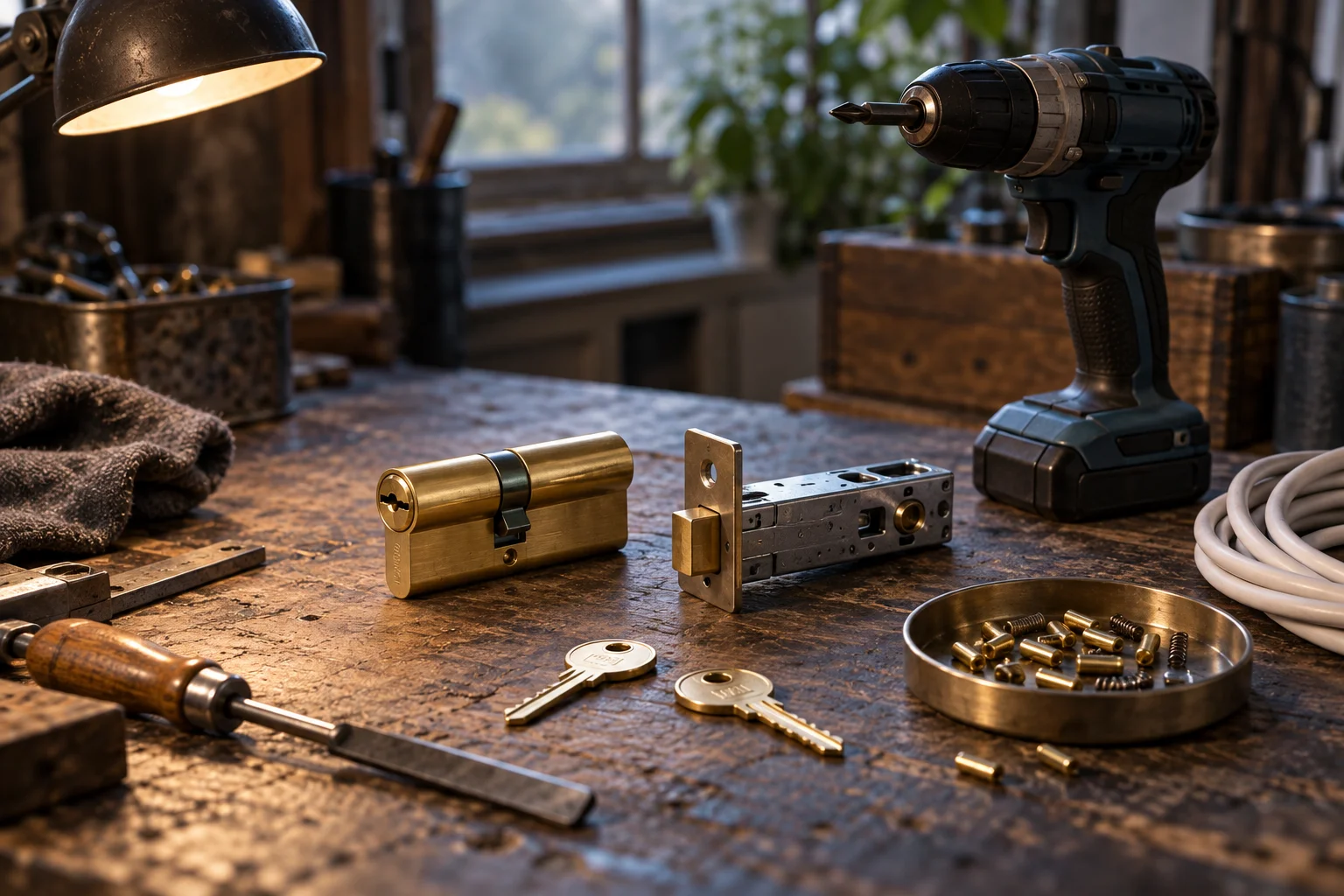
Call-out / Standard cylinder / 10 to 20 minutes once the method is agreed
A key that will not turn and a cylinder that can be worked, opened rather than destroyed, with the replacement priced before a drill is considered.
A rented flat, a digital lock flat on battery at 1am. The tenant could not produce identification because the wallet was inside, and the tenancy agreement was in an email. The building concierge confirmed the unit, the agreement was opened on the tenant's phone, and the mechanical override key, held by a neighbour, opened the door. The engineer's name had been sent before arrival and was checked at the door. Charged at the night rate for a digital lock, receipted on the spot, and closed with the battery replaced and the override tested in front of the tenant.
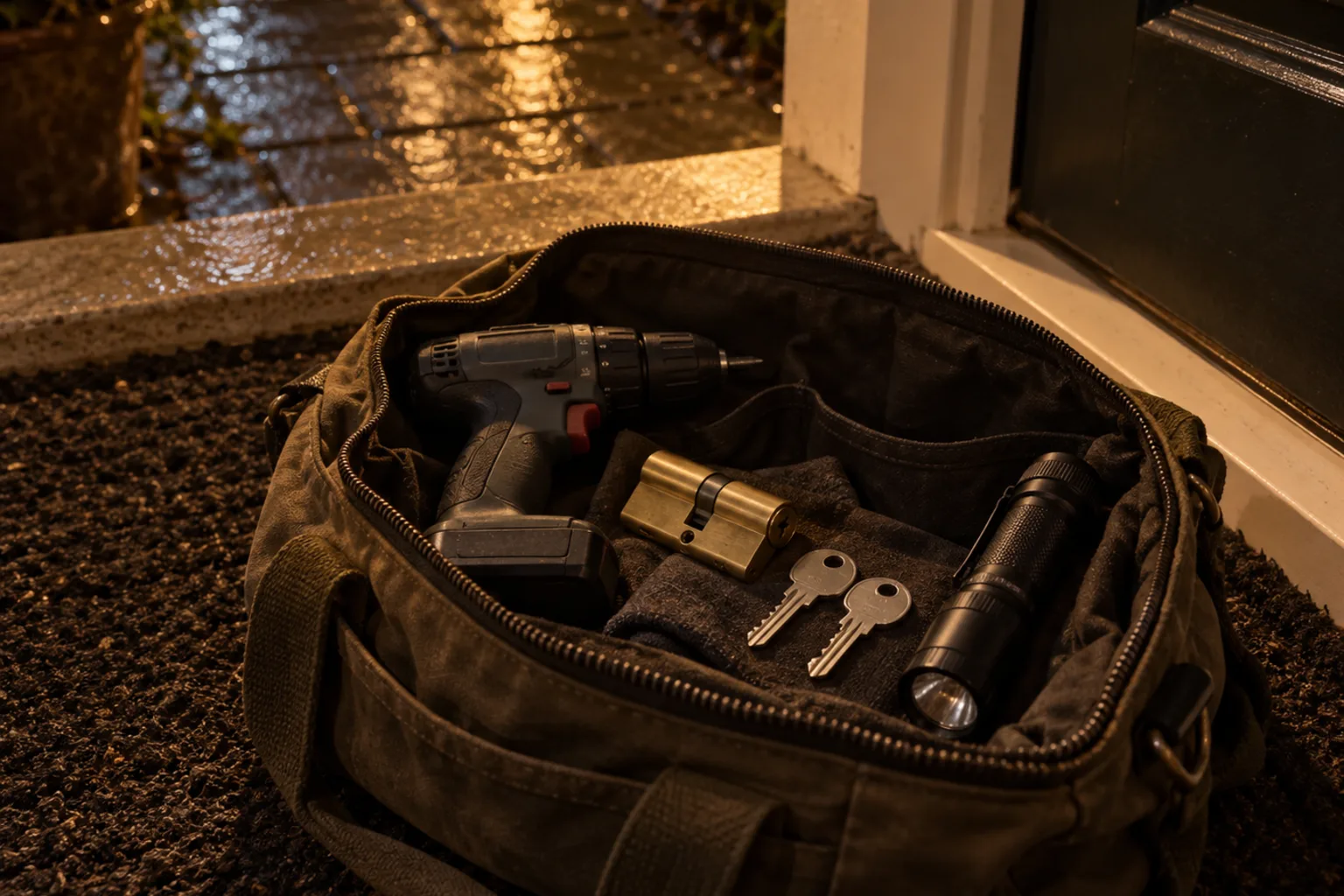
Zone two / 30 to 45 minutes off-peak / Fee stated before dispatch
A window stated by zone is only useful if it holds, and at the evening peak we quote the further zone's window rather than the best case.
A lockout in zone two on a Friday evening, called at 7:40pm. The window quoted was 30 to 45 minutes off-peak and up to an hour in the peak, and the engineer arrived at 42 minutes with the traffic against him. Because the lock was a standard rim lock the entry was non-destructive, the fee had been agreed before dispatch, and nothing was added at the door for the extra ten minutes on site.
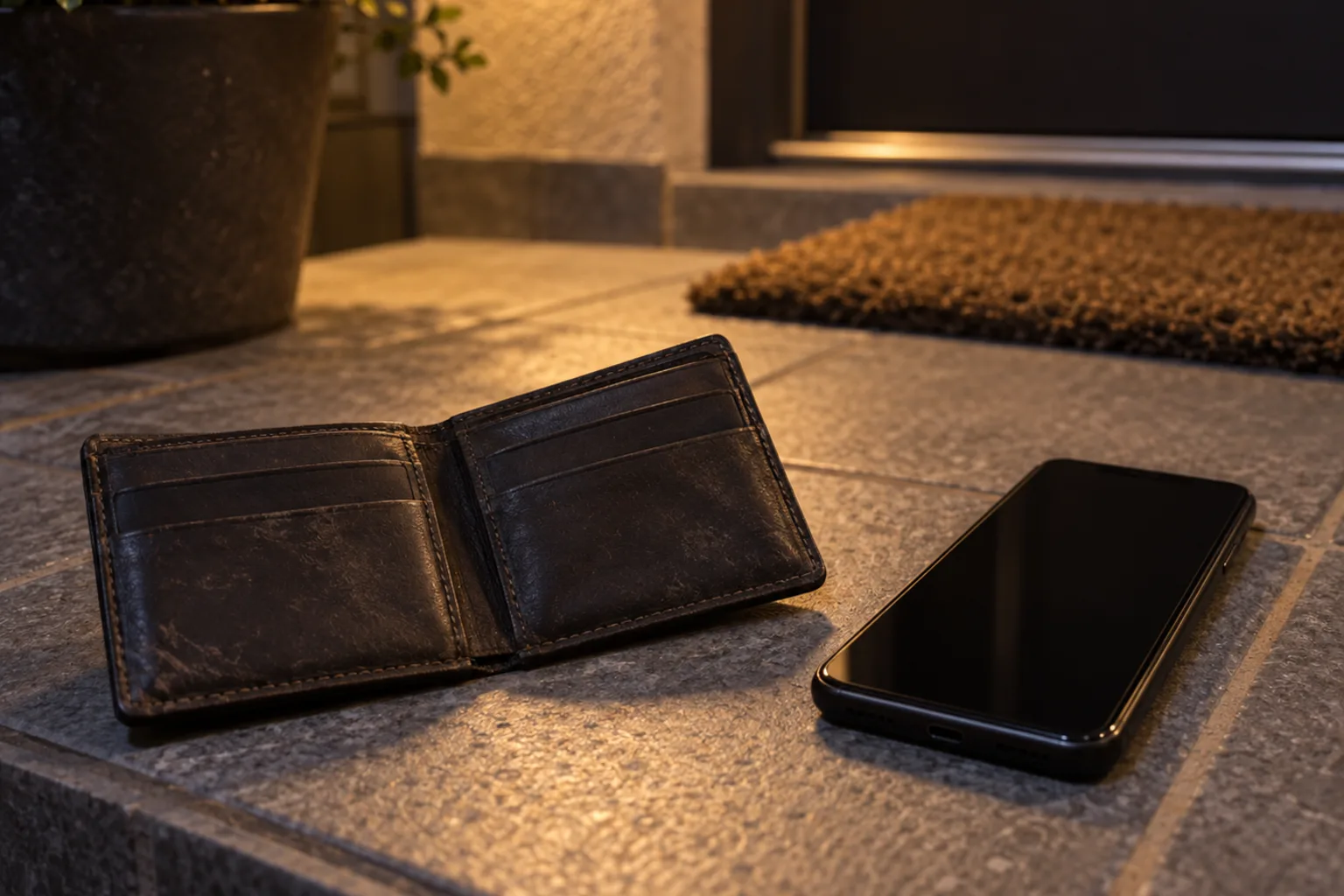
Verification / Concierge or landlord confirmation / Call-out only if it fails
Being shut out of your own home is the situation a company with no verification policy exploits, so the check is not negotiable and nobody is charged for refusing to pass it.
A condominium unit, identification inside the flat and no tenancy document on the phone, and the concierge off shift. The engineer waited while the management office was called from the intercom, and the office confirmed the resident against the unit's record. The door was opened at the night rate, and the verification was noted on the receipt. On a call where nobody can confirm access and no document puts you at the address, the visit ends and the call-out fee for the attendance is all that is charged.
Address and unit, lock type and what happened, fee agreed before dispatch.
A range now if the job allows it, and the method before any work starts.
Identity checked at the door, and the engineer's name checked against the message.
Non-destructive where the lock allows it, tested with you before payment.
From the call to the door open
The order matters at the door. Verification comes first, before the lock is even assessed, and the method is agreed before a tool comes out of the bag.
Where you are, what the lock is, and what happened, plus whether anyone is inside. Output: the response window for your zone, a range for the job as described, and the fee you are agreeing to before anyone is dispatched.
Your job is allocated to the engineer on shift and the window is confirmed. The engineer's name and the company name are given on the call. If the window changes, you are told rather than left waiting, and there is no charge for waiting.
Identification first: photo identification, or if that is locked inside, a document on your phone that puts you at the address, such as a utility bill account or a tenancy agreement, or a login showing the address. We will not open a door for anyone who cannot show a right to enter it.
Renters, house-sitters and flats are the usual cases. We call the landlord, the letting agent, the building manager or the concierge, or the person named on the tenancy, and wait while they confirm. If nobody can confirm access and no document puts you at the address, the visit ends there: the call-out fee for the attendance is charged, nothing is opened, and no lock is touched.
The lock is looked at, not forced: type, condition, whether it is a digital model with a battery, and which method will open it without damage. Output: the method and the price, agreed before work starts, and the on-site time stated in the same breath. A standard residential lockout usually opens in ten to twenty minutes from arrival once the method is agreed; a high-security cylinder or a lock that has to be drilled takes longer, and you are told which one you are in before it begins.
The door is tested with you, not left half-shut: latch, deadbolt, handle, and the key if one remains. Output: the old parts handed to you, a receipt, the warranty document for the part fitted, the stated cause of the lockout written on it, and what to do if the lock fails again at night.
A tenant's view
“They asked to see identification before touching the door, and asked me to check the engineer's name against the message. The price was the one quoted at midnight.”
Midnight lockout, rented flat · sample story
Sample story. Not a real customer review.The practical questions
Inside zone one, 20 to 30 minutes; zone two, 30 to 45 off-peak and up to an hour at the evening peak. If the job is outside both, we say so. If you are locked out with something unsafe inside, a child, a pet or a hob left on, say so on the call and treat it as an emergency in its own right: we will not be faster than the emergency services, and you should not wait for us if the situation calls for them.
Then the visit ends without the door being opened, and you are told why. Being shut out of your own home is the exact situation a company with no verification policy would exploit, so the check applies to everyone. Have a bill account, a tenancy agreement or an address login ready if identification is inside, or arrange for the landlord, agent or concierge to confirm access.
Often, yes. Waiting until daytime avoids the night rate, and for a lock that is simply tired rather than broken, morning is the cheaper answer. Do not wait if it is unsafe to stay outside, if the door cannot be secured and the property is open to the street, or if the lock is the only thing between you and a risk. Personal safety decides before price does.
The name is given on the call and sent as a message where we can. Check it at the door, before anything is opened, and ask for identification if you want it. Anyone who refuses to be checked is not the engineer you called.
Do not force the door or the handle, because a bent frame turns a lockout into building work. Do not spray lubricant into a digital lock or a keypad. Do not leave a key snapped off in the cylinder, and do not let anyone who is not the engineer you called start work. If a key has broken, keep the pieces: they tell us the cylinder type before we arrive.
Not for the job described on the call. If the lock turns out to be a different type from the one described, or the method has to change, work stops and you are quoted again before anything continues. If you decline at that point, the call-out fee for the visit is charged and nothing else. That is the whole of the policy, and it is stated before dispatch, not after.
Start with three details
Address and unit, the lock type if you know it, and what the door is doing. If you are locked out now, say so on the form and call: the window and the fee are confirmed on the phone, before anyone is dispatched.
Concept only. Nothing is sent or booked, and no one is dispatched.