Weddings & events · Singapore

Held
together.

Planning that states its scope, its timeline and its fees before you commit — and tells you plainly which parts of the budget it does not cover.

Tell us your date
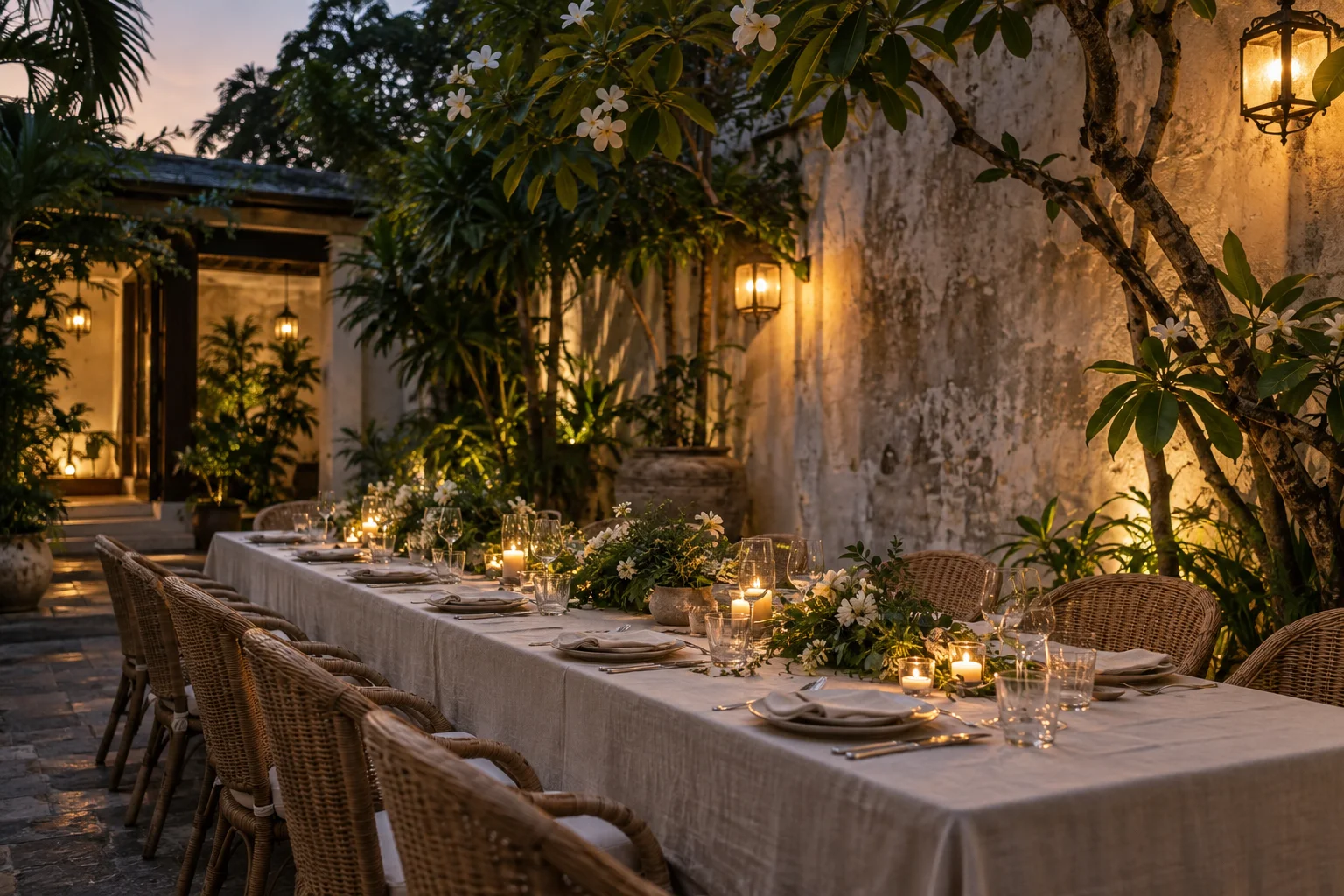
Long celebration table under lantern light in a tropical courtyard, set with linen, glassware and greenery
THE LONG TABLE / CONCEPT EVENT STUDY
WeddingsCorporate eventsPrivate celebrationsSee what each scope includes ↓

How we work

Three scopes.
Nothing vague.

Most planners describe their service in adjectives. These are the three engagements we offer, each with the span it runs, the coverage it includes and the work it leaves with you.

Scope 01

Planning from the start

Span Six to twelve months, from the first budget conversation to the morning after. Two planning meetings a month, three site visits, and attendance at the rehearsal.

On site The lead planner and one coordinator for up to twelve hours on the day, and a second coordinator where the guest list passes 150.

Leaves with you Venue hire, catering, florals, photography, entertainment, stationery and every supplier invoice — contracted in your name and paid by you, at cost.

Scope 02

Planning from here

Span From eight weeks out, or from whenever you call. The first fortnight is spent reading what is already booked and writing down what is still open.

On site The same coverage as Scope 01 from the date we take it on: the run sheet, the supplier confirmations and a coordinator on the day.

Leaves with you Renegotiating a contract you have already signed, and any cost of reversing a decision that has been paid for.

Scope 03

On-the-day coordination

Span One planning meeting four weeks out and the day itself. The run sheet is drafted with you and issued 48 hours before.

On site One coordinator for up to twelve hours, from the load-in window to the last supplier leaving. Each further day is priced as a day rather than folded into the first.

Leaves with you Planning before that month, and any new supplier sourcing. It assumes the event is already arranged.

What happens when

Twelve months,
in order.

An event is a sequence, not a list. This is the order we work in, the points where you have to make a decision, and how far ahead each kind of date has to be held.

Private celebration, up to 60 guests
Eight to twelve weeks. Where the date and the styling are flexible, three to four weeks is often still workable.
Wedding, 150 to 250 guests
Nine to twelve months for a weekend in a peak month. The venue decides it: the rooms that fit a seated dinner go first.
Corporate dinner or awards night, up to 200 guests
Three to six months. Your own calendar usually fixes the date, so the venue is the part that has to be chased.
Multi-day conference or a regional programme
Six to twelve months, because the room block, the production and the delegate travel are negotiated together.
  1. 12 months out

    Budget, guest count, date, and the two or three things that matter most to you.

  2. 9 months out

    Venue booked, then the suppliers that sell out first: photography, catering, band.

  3. 6 months out

    Design direction, dress or suit, invitations, and the plan for the ceremony itself.

  4. 2 months out

    Numbers confirmed with the venue, seating, transport, and the run sheet drafted.

  5. The week of

    Every supplier reconfirmed, the run sheet finalised, and the people who need it receive it.

  6. The day

    Someone else holds the checklist, the timings and the supplier phone numbers.

Three kinds of event

What we plan,
and how long it takes.

Each kind of event has its own lead time, its own run sheet and its own list of suppliers that sell out first. The span below is what the work usually takes, not what is left over.

Before you commit

What planning
costs.

A planning fee is separated from the event budget, so you can see what you are paying for the work. Every basis below is a unit — per event, per day, per half-day, per hour — so a second day or a longer day is priced before it is worked, not after.

Illustrative concept pricing, not a quotation. Every figure below is a planning fee for the stated unit and duration — per event, per day, per half-day or per hour — and the event budget itself, supplier invoices included, stays separate.
Engagement or unitCoversFrom
Planning from the start, weddingSix to twelve months, three site visits, the rehearsalS$4,500 per event
Planning from herePick-up at any point, gaps closed from that dateS$2,800 per event
On-the-day coordination, first dayOne coordinator, up to twelve hoursS$1,600 per day
Each further event dayThe same coverage on a second or third dayS$900 per day
Half dayUp to six hours, for a setup or a changeover between two venuesS$950 per half-day
Coordinator past the run sheetPer hour beyond the close written into the run sheet you signedS$120 per hour
Corporate eventQuoted from the approval route, the documents it needs and the number of event daysQuoted on scope

What lands on the invoice outside our fee

  • Venue overtime and extended access. Billed by the venue to the event at the venue’s own rate and passed through with their invoice attached. The per-hour figure is flagged when the venue contract is signed, and again on the run sheet.
  • Service charge and GST. Collected by the caterer or the venue and shown as their own lines, never absorbed into the planning fee to make a total look smaller.
  • Corkage. Per bottle where the venue permits it, and the minimum spend it is waived against is confirmed with the venue before it counts towards your budget.
  • Staff called past the run sheet. Per hour, at the rate written into the run sheet you signed.
  • A supplier booked late. Where a photographer, florist or band has to be booked inside four weeks, the premium is quoted to you before it is booked, never after.

How the fee is paid

  • A 30% deposit on signature holds the dates in our calendar. The balance falls due seven days before the first event day.
  • The deposit is applied to the fee, and it carries across once to a new date within 90 days where the calendar and the venue allow it.
  • Cancelled more than 30 days out, half of the deposit is returned. Inside 30 days it is not, because the dates cannot be re-let at short notice.
  • Variations — a second event day, a longer day on site, a scope added after signing — are quoted in writing and approved before they are worked.

Supplier invoices are contracted in your name and paid by you, at cost. Where a supplier offers a trade discount, it appears on your quotation as its own line rather than staying with us.

Three events, as they were scoped

What the fee
bought each time.

Each card names the event, the span it ran and the engagement bought — the facts that decide the invoice.

Illustrative seated wedding dinner in a ballroom: candlelit round tables with guests at the tables

Wedding · 180 guests, two ceremonies · Scope 01

Six months of planning, three site visits and a coordinator on each side of the day, with the tea ceremony and the dinner written into one run sheet.

Illustrative place-setting detail: a blank cream card, olive greenery, a silk ribbon and a brass pen on linen

Corporate dinner · 120 guests, one evening · Scope 03

On-the-day coordination from midday: supplier confirmations, the seating plan at the door and a named coordinator on site until the last supplier left.

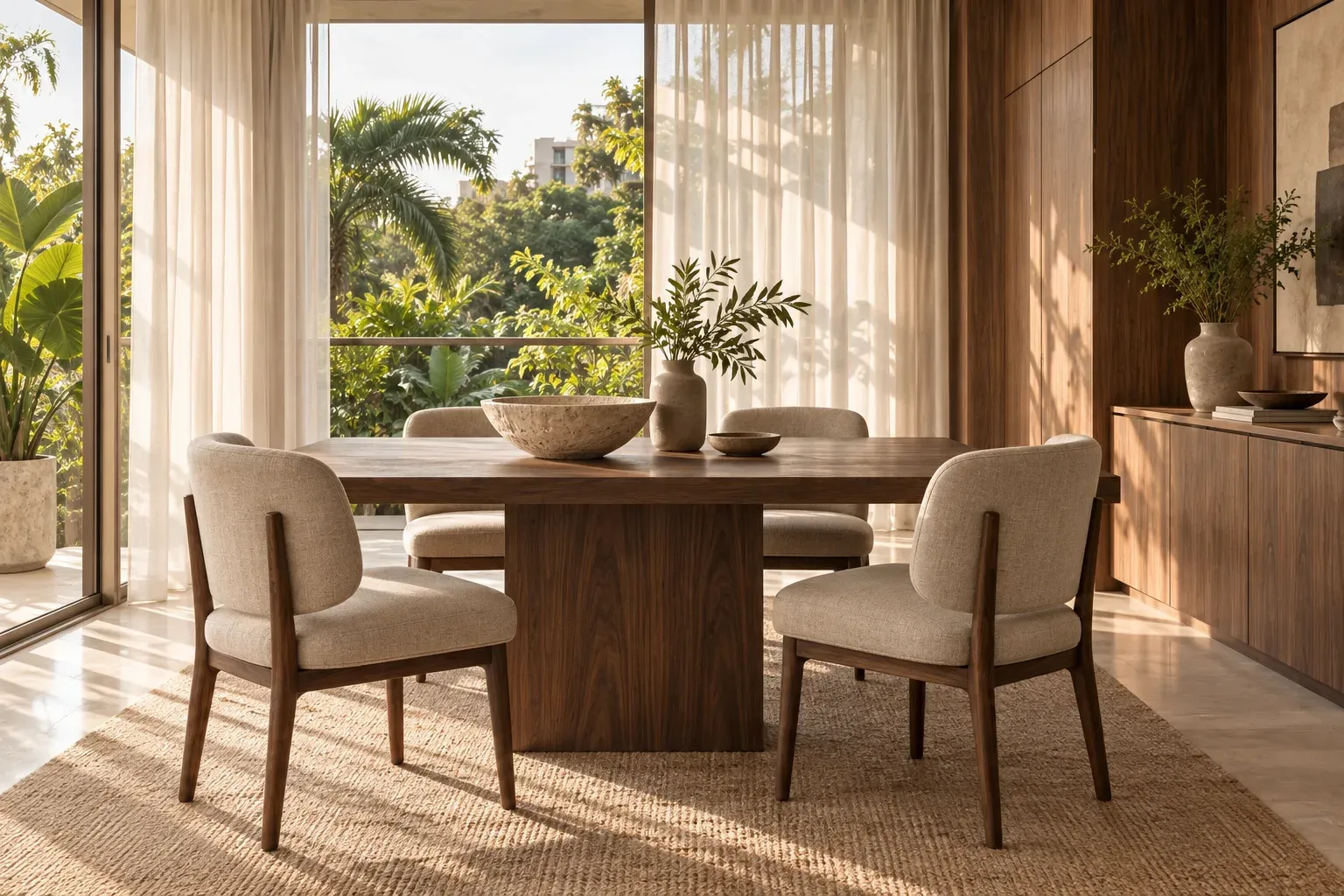
Illustrative private dining room set for a seated celebration, with daylight through the windows and a laid table

Private celebration · 60 guests, private room · Scope 02

Picked up eight weeks out with the venue already paid for, and the gaps closed in the transport, the cake and the seating before the count was fixed.

Explore the two-ceremony brief ↗

The brief: 180 guests, a morning tea ceremony at home and an evening dinner in a courtyard venue. Scope 01, with the tea ceremony timings, the transport windows and the setup window between the two written into one run sheet and held by the named planner.

Discuss your event

Who you are hiring

A planner, named.

One name runs your event from the first conversation to the closeout, and it is the same name on the quotation.

The planner you meet

Rowan Teo, principal planner, has run weddings, corporate dinners and multi-day events in Singapore since 2014, works in English and Mandarin, and is on site for every Scope 01 and Scope 02 booking. The name on the quotation is the name at your rehearsal.

The team on site

One coordinator up to 120 guests, two above that, and a third where the programme runs across two venues or two ceremonies. Each of them holds the supplier contacts, the run sheet and the payment record for their part of the day.

What we hold

Business registration and public liability insurance, both issued on request before you sign. Supplier agreements are contracted in your name, and every quotation, variation and invoice sits in one folder that stays yours.

A clearer starting point

Where are
you now?

Pick the closest description. It starts the right conversation instead of a general enquiry.

Nothing decided yet

Bring the rough guest count, the month and a figure you are comfortable with. Two of those three are enough to start, and the first conversation ends with a written scope rather than a follow-up call.

Start at the beginning
The venue is booked

Send the venue contract, what is already paid and what is still open. Planning from here closes the gaps from that date, and the run sheet is written around the venue’s own access and closing times.

Pick up in progress
Everything is arranged

On-the-day coordination assumes the suppliers are booked. Every one of them is confirmed 48 hours out, the run sheet is held by one coordinator, and that coordinator is on site for the day.

Coordinate the day

A host’s view

“She told us at the start what the fee did not cover. We never had that conversation with anyone else we spoke to.”

Planning from the start · sample story

Sample story. Not a real customer review.

The practical questions

Before you
commit.

What exactly does the fee cover?

The scope document lists it: the number of planning meetings, whether design direction is included, how many site visits, the coverage on the day and what is excluded. A scope that says everything without naming the meetings, the days and the site visits is not a quotation, and we do not issue one.

Do you take commission from suppliers?

No. We are paid by you on the fee basis in the quotation, and supplier invoices are contracted in your name and paid by you at cost. Where a supplier offers a trade discount, it appears on your quotation as its own line instead of staying with us.

What happens if we move the date?

The deposit carries across once, to a date within 90 days, where our calendar and the venue’s allow it. Further moves are quoted as a variation, because the suppliers’ own contracts and deposit terms decide the cost of a change. You are given that exposure in writing before you sign anything.

How far ahead should we book?

Private celebrations: eight to twelve weeks. Corporate dinners and award nights: three to six months. Weddings: nine to twelve months for a weekend in a peak month. Where your date is closer than that, we will say so and tell you which parts of the styling can still be done well.

How is a longer day or a second day charged?

By the unit, and the unit is written into the quotation: a first event day, each further day, a half day of up to six hours, and an hourly rate for a coordinator kept past the close on the run sheet. A second day is priced when the programme is planned, so the invoice never introduces one.

Start a conversation

Let’s start with
the date.

A date, an approximate guest count and a budget figure are enough to begin.

Concept only. Nothing is sent or booked.

Preview your message
Send this enquiry on WhatsApp

Tell us your date