Non-exam class · no paper, no audition
Ages 7–8
Monday 4.15–5.15pm · 60 minutes · S$430 a term. Barre and centre work, first positions, and one short dance learned to be shown at the end of the term.
Dance & music classes · Singapore
Dance and music classes sold as a weekly slot at a level, with the term dates, the performance date, the fee and the make-up rule stated before you pay a term.
Book a trial class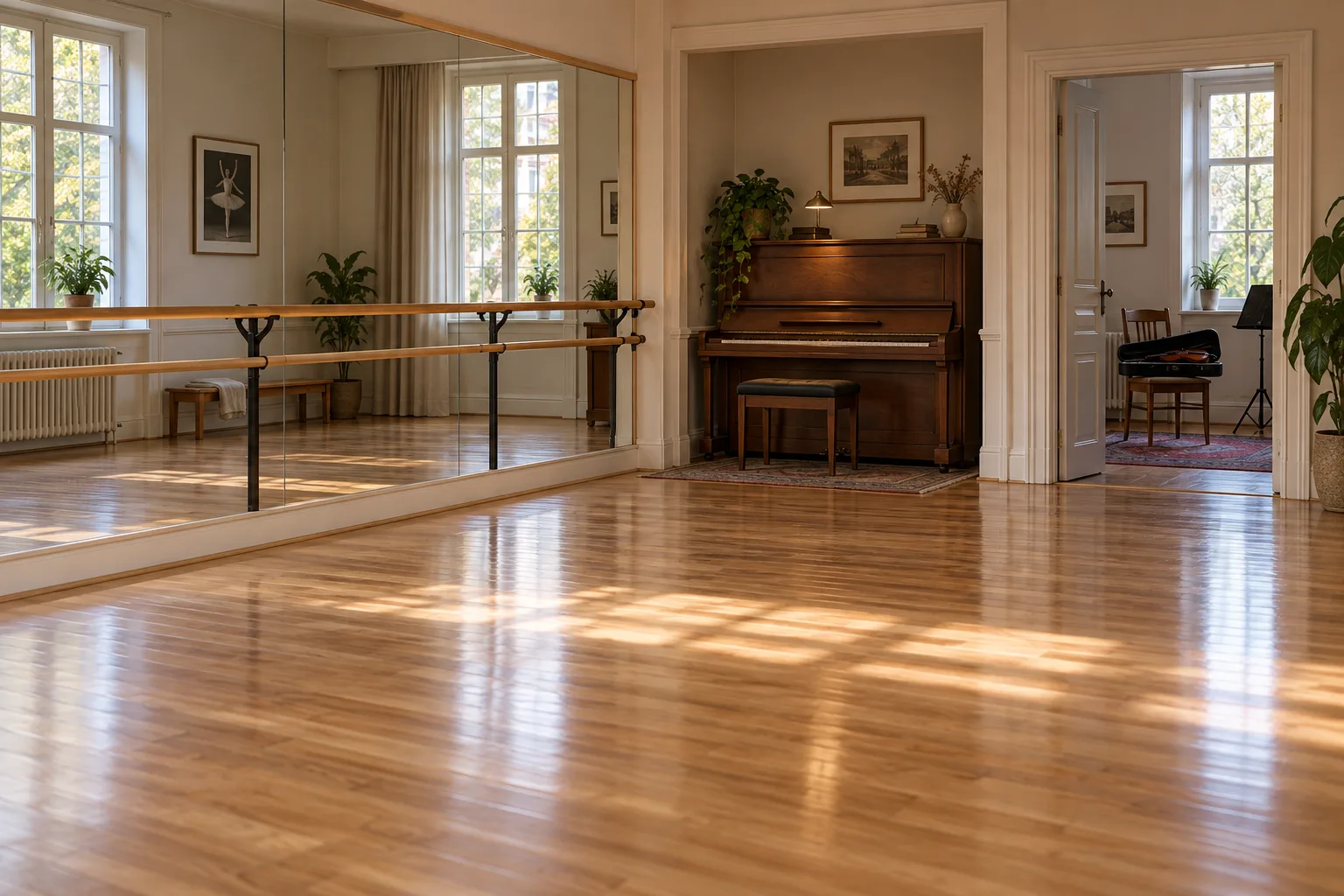
Levels, ages and slots
Every class runs once a week, same day, same time, for the whole term. Each row below carries the level, the age band it is written for, the weekday and time, the class length and the term fee on the same line, so the decision can be priced rather than imagined.
Age bands are indicative. The level a child is placed in is decided by the teacher after the trial class, because two seven-year-olds with two years of ballet are not in the same place, and a bored child and a lost child look identical from the door.
Non-exam class · no paper, no audition
Monday 4.15–5.15pm · 60 minutes · S$430 a term. Barre and centre work, first positions, and one short dance learned to be shown at the end of the term.
Graded class · the paper is entered only when the teacher and the family agree
Monday 5.30–6.45pm · 75 minutes · S$550 a term. Longer sequences, turn and jump work, and the piece the older group performs.
Non-exam class · choreography and performance instead of a syllabus paper
Wednesday 4.30–5.30pm · 60 minutes · S$430 a term. Isolations and set choreography, with the music and the costumes chosen for the age of the group.
Graded pathway · exams optional, entered through the board
Thursday and Saturday · 30, 45 or 60 minutes · S$480, S$640 or S$800 a term. One student to one teacher, on a graded pathway you can take or leave.
To join a class a child should be able to follow an instruction, use the toilet without help, and stay in the room without a parent. The youngest dance class runs with a second adult in the room. Class size is capped at twelve and the cap is the cap: a full class opens a waitlist rather than taking a thirteenth child. If your child needs one-to-one support, say so before the trial and we will say plainly whether we can staff it.
The term, dated
Each term is ten teaching weeks at the dates below, and the class showing sits inside those weeks rather than on a separate evening the family has to keep free twice. Enrolment closes on the Friday before the first class; after that a place is offered only when one is released, and the fee is not reduced for the weeks already taught.
A child can join a level above beginner in the second or third week of a term where the class has room, because that group already knows the room and the warm-up. The beginner levels start together in week one, as a group rather than as arrivals.
Classes do not run on the public holidays inside this term and the fee is unchanged for it; those classes are made up in any class at the same level with space. Class showing in the final week, families invited.
The mid-term break week is not a teaching week and is not charged. Class showing in the final week.
One public holiday inside the term: no class that day, fee unchanged, make-up offered. The end-of-year showing is at the normal Saturday class time, not in the evening.
Any class missed for any reason is made up in another class at the same level with space, as many times as the family needs, for as long as the child is enrolled in that term. Make-ups are booked through the studio and do not survive the term as credit. A class we cancel is made up or credited to the following term.
Ages 7–8 · 60 minutes · three places · waitlist when full.
Ages 9–10 · 75 minutes · two places.
Ages 10–12 · 60 minutes · full, waitlist open.
Ages 6 to adult · 30, 45 or 60 minutes · two slots, one on Saturday.
All levels · availability varies by level, stated at the trial.
Four ways in
Levels 1 to 3, placed by the teacher’s assessment rather than by age, with one piece performed at the end of every term.
Ask about this level ↗Ages 8–14Set choreography and clean technique, with the music and the costumes chosen for the age of the group rather than for a chart position.
Ask about this class ↗Weekly lessonOne student to one teacher, 30, 45 or 60 minutes, on a graded pathway that is optional and stated as optional.
Ask about a lesson slot ↗School holidaysThree or four dated mornings in the school holidays, for a child who wants to try a style before a term is committed to it.
Ask about holiday dates ↗Who teaches, and who is in the room
Dance teachers are placed by the level they are trained to teach and the syllabus they work from; music teachers by the instrument and the board whose graded material they prepare. Every teacher’s qualification and the levels they take are printed on the timetable sheet in the enrolment pack, and the cover teacher for a missed class is named on the same sheet before the class rather than on the day.
The timetable sheet is reprinted at the start of every term and a copy goes out with the enrolment pack.For music, the fit between the student and the teacher is the reason a family stays, so the trial names the teacher who would take the slot rather than a rotating rota. If the fit is wrong, say so in the first three weeks and the slot moves to another teacher with space. For dance, the group stays with one teacher for the term.
Teachers and assistants are interviewed, reference-checked and background-checked before they are alone with children, and a new adult is never alone in the room on their first week. That record is kept at the studio desk and can be read during class hours.
We do not photograph or film children for the website or social media without written consent from a parent or guardian, consent can be withdrawn at any time, and the class notes go to you rather than online. Consent is asked for separately from enrolment, so declining it costs nothing on the invoice.
Consent is asked for on its own line of the enrolment form, and the policy is in writing in the enrolment pack.What a term costs
One student, one class a week, ten weeks, at the level the teacher placed them in. The figure covers the room, the teacher and the end-of-term showing. Everything outside it is listed under the table, because a fee that only appears in full on the invoice is not a fee.
| Class | Slot | Fee a term |
|---|---|---|
| Ballet Level 1 Ages 7–8 | 60 minutes, Monday 4.15pm | S$430 |
| Ballet Level 3 Ages 9–10 | 75 minutes, Monday 5.30pm | S$550 |
| Hip hop Levels 1–2 Ages 10–12 | 60 minutes, Wednesday 4.30pm | S$430 |
| Piano or violin Ages 6 to adult | 30 / 45 / 60 minutes weekly | S$480 / S$640 / S$800 |
| Trial class Credited against the term | Once, at the level trialled | S$40 |
What a year ends in
A term ends in a performance, and for some families a graded exam follows in time. Both are dated, both are choices, and neither is a reason to sell a child a level they have not reached.
The stage: each class learns one piece and performs it in the final week, in the room, to the other families. There is no audition and nothing is marked. The grade: our music lessons prepare for an external board’s graded papers, entered when the teacher and the family both agree the student is ready.
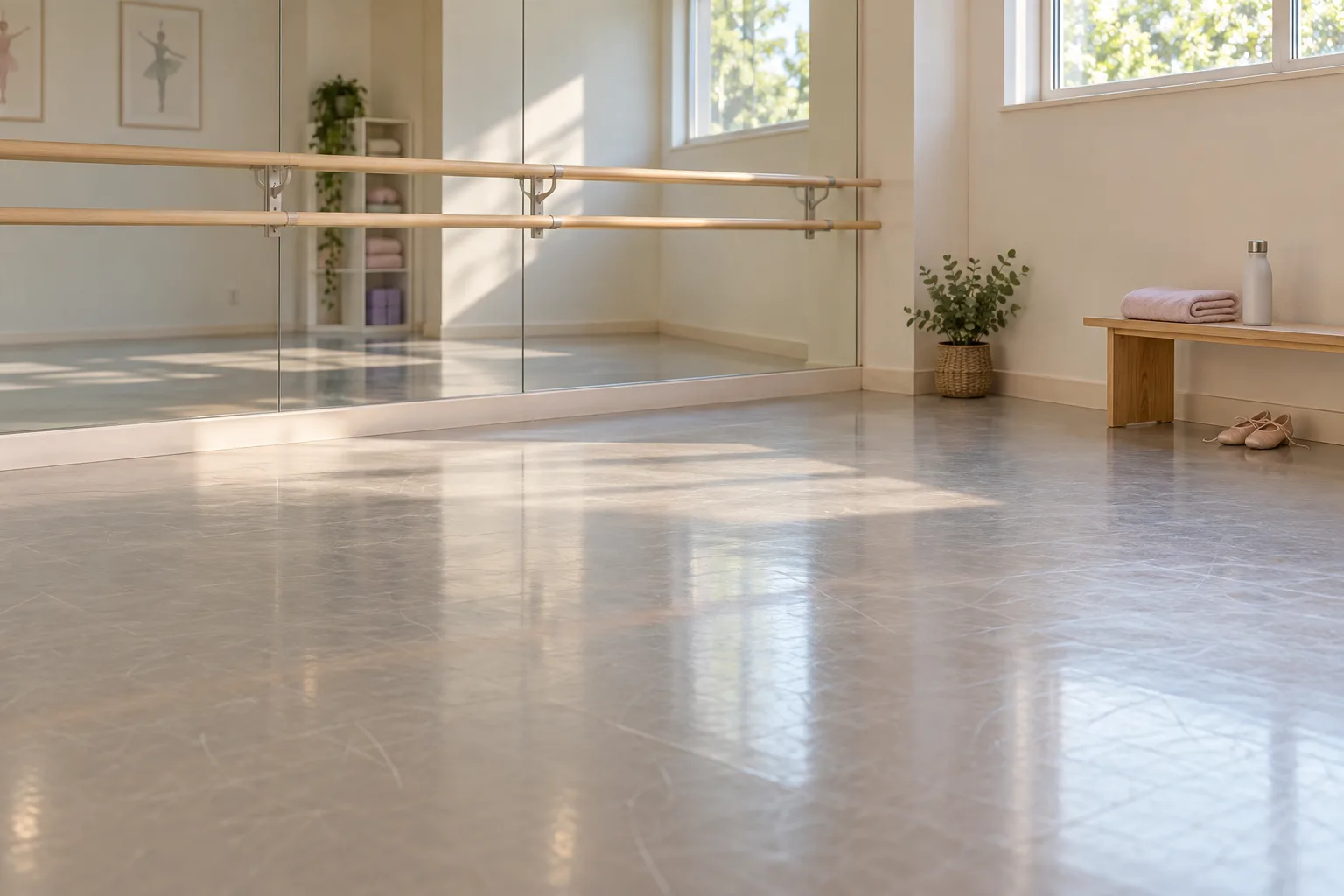
S$430 a term for 60 minutes · S$550 for 75 minutes
One class a week at the level the teacher placed your child in, ending in the showing in the final teaching week.
A nine-year-old in her third term of Level 1 who freezes when watched. The term’s teaching stays as published; the last two weeks put the piece in front of six adults rather than a hall, and the teacher writes down what happened and what to do next.
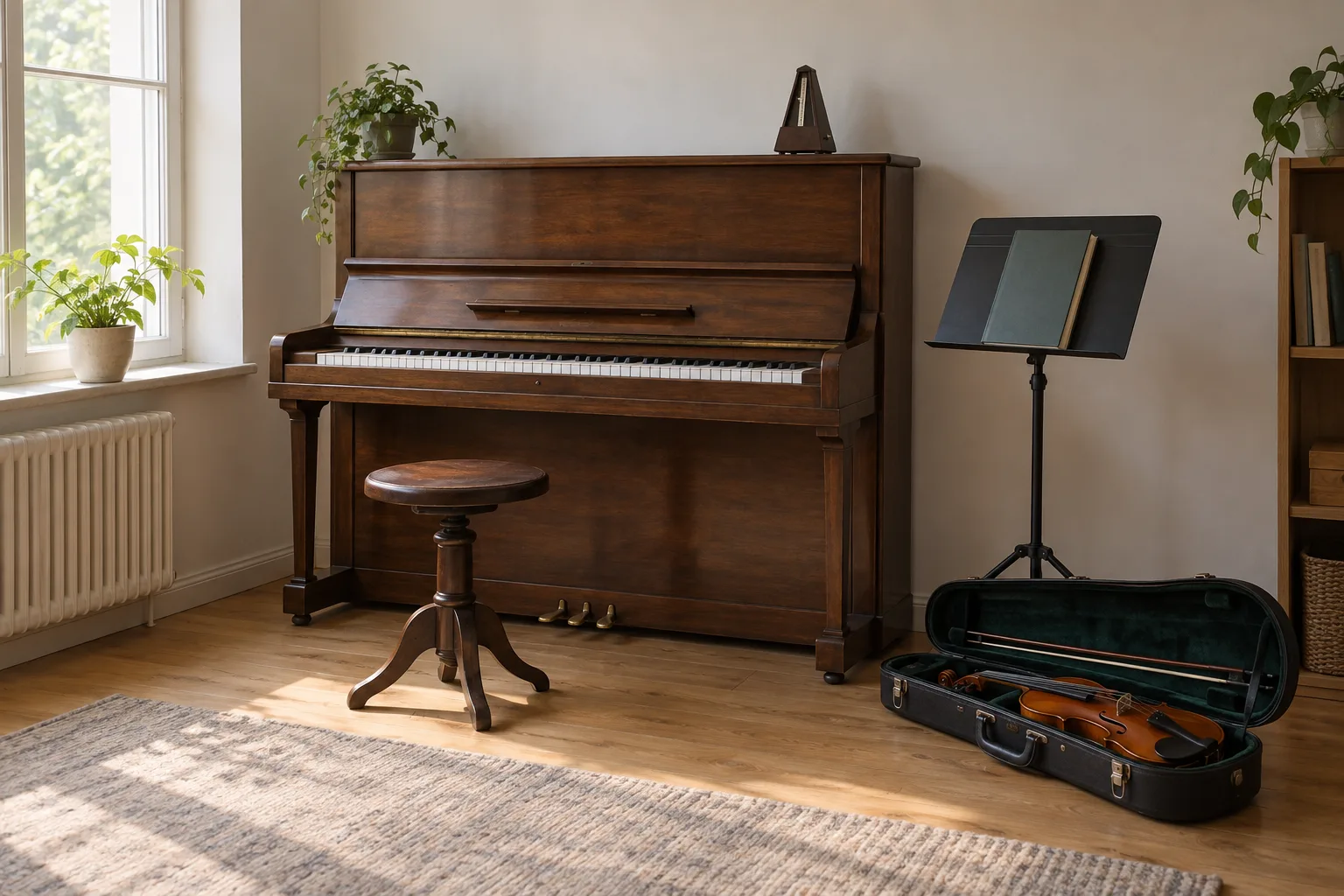
S$480, S$640 or S$800 a term · one student to one teacher
The same slot with the same teacher every week of the term, on a graded pathway the family can take or leave.
A written target: what to play, how many times, and which passage is the problem. Ten minutes four times a week beats an hour on Sunday, and the teacher says in week four which of the two is happening.
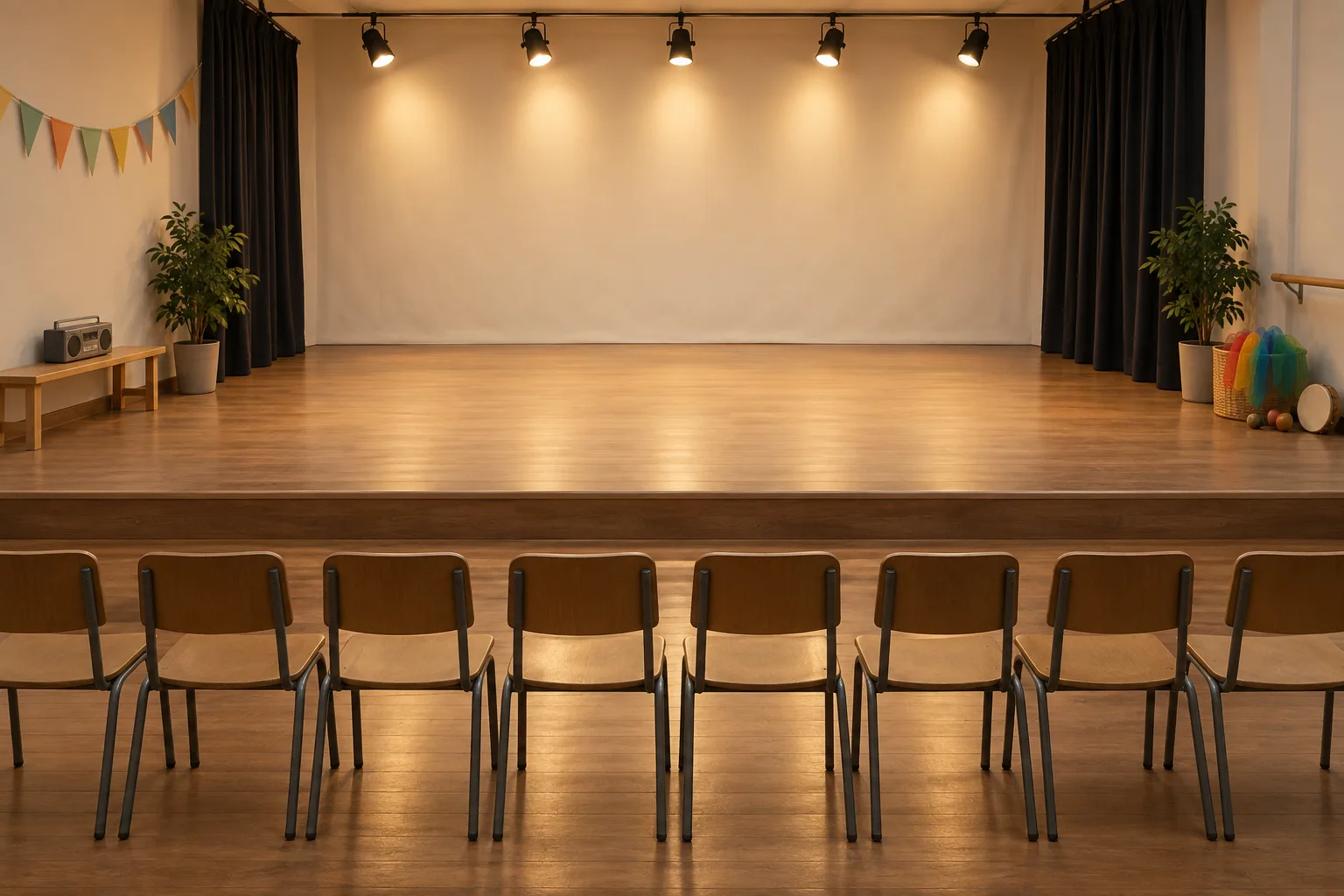
Included in the term fee · inside the ten teaching weeks
Each class performs the piece it has learned, in the room, to the other families, at a class time rather than on a separate weekend.
A graded paper belongs to the board that sets it and is sat when the teacher and the family both agree the student is ready. Where the paper is sat — on site or at a centre — is stated in writing for your instrument before the entry goes in, and the certificate belongs to the board that issued it.
The showing is one of the ten teaching weeks in the term table and nobody is marked in it; the graded papers are external, optional, and the entry fee is paid by the family to the board that sets them.
One class at your child’s age group, materials provided.
The right age band and a class with space in it — not the first available slot.
Ten weeks with the same teacher and the same group.
The finished work, a short note on what was covered, and whether to continue.
Start here
A child walks into a room of strangers once. The steps below are what happens around that, and each one ends in something you keep or something you are told plainly.
One class at the level we think fits, with nothing to buy first. The trial is S$40 and comes off the term if your child enrols, and the place trialled is held for 48 hours after the class so you are deciding without gambling the slot. Ask for the credit to be written on the invoice.
Book a trial classThe teacher names the level to start at, the class length that suits, and whether the child is between two levels — and if they are, which way we would go and what follows from it. Age is a guide here, not a rule.
The slot, the ten dates and the fee, with the enrolment fee and the costume schedule on the same invoice rather than arriving in the final week. The withdrawal terms and the make-up rule are written on the enrolment sheet you sign.
Book a term placeBallet: leotard, tights, soft ballet shoes, hair tied back off the face, no jewellery. Hip hop: loose clothing and clean indoor trainers that do not mark the floor. Music: the instrument if the child owns one, and the book the teacher names. A named water bottle for every class — the pile of unnamed bags at the door is the one thing in the building that is nobody’s job.
Check what to buyMusic students leave every lesson with a written target: what to play, how many times, and which passage is the problem. Ten minutes four times a week beats an hour on Sunday, and the teacher will say which of the two is happening. Dance practice at home is the set piece only, because the technique is corrected in the room.
Say so in the first three weeks and the child moves to another level with space in the same term, or stops with the unused classes credited to the next term. The three-week window is on the enrolment sheet, so the cost of changing your mind is known before the first class.
Ask about a change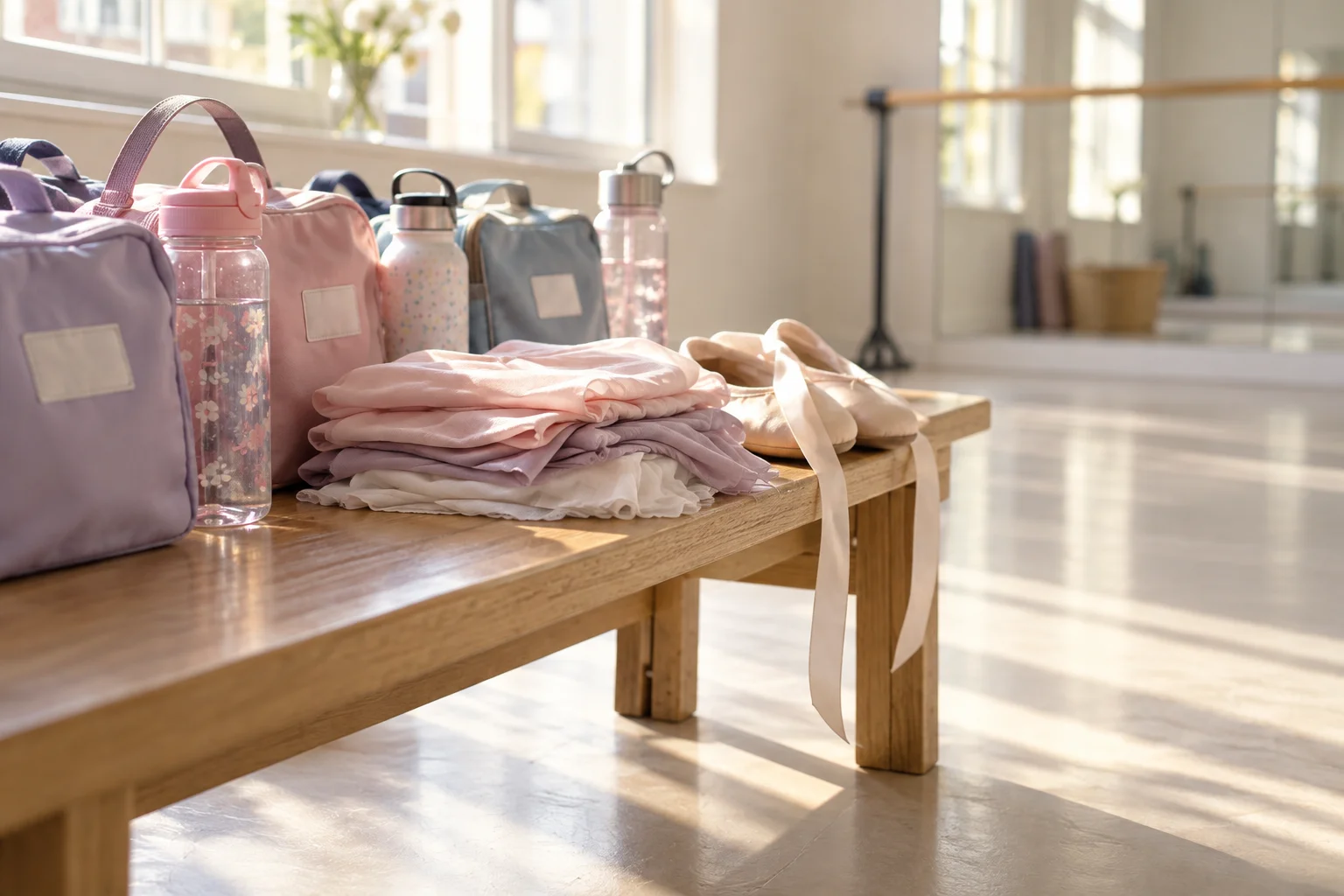
Parent perspective
“They held the place for two days after the trial so we could talk it over at home, and the term invoice already had the costume money on it. The make-up classes are why we are still there.”
Ballet Level 1, weekly class · sample story
Sample story. Not a real customer review.Before you commit
Not during a normal class, and this is a rule rather than an accident: the youngest groups lose the room the moment there is an audience, and a child who is being watched dances for the watcher instead of listening. Parents wait in the seating area outside the studio. The final class of the term is open to families, and the teacher’s note after each class tells you what was covered. The watching rule is in the enrolment pack: parents wait in the seating area outside the studio, and the final class of the term is open to families.
It is made up in another class at the same level with space, as many times as the family needs while your child is enrolled for that term, and it can be taken at either studio. Make-ups are booked through the studio rather than promised at the door, and they do not roll into the next term as credit. Public-holiday classes inside the term are not taught; class we cancel is made up or credited to the following term.
No. A student can work through graded material for years without sitting a paper, and the syllabus is published either way, so the standard is known. Entering an exam is a decision taken by the teacher and the family together, and the family pays the entry fee to the board. What the exam buys is a certificate dated to a day; what it costs is preparation time and a certain amount of nerve — that trade is yours to make, not ours.
The one-time enrolment fee, the costume deposit and balance where your child performs, the recording and photographs if you want them, shoes, uniform and instrument hire, and the board’s exam entry fee. The term fee does cover the room, the teacher, one class a week for ten weeks, the end-of-term showing and every make-up class. The extras schedule is written on the term invoice it belongs to, so the total is known on the day rather than in week nine.
The one the teacher puts them in after the trial. Age bands on a timetable are indicative: two seven-year-olds with two years of ballet behind them are not in the same place, and the trial class is where the teacher settles it. If your child is between levels, we say which way we would go, and you can move them within the term while there is room.
A change of level within the term is possible where there is space, and it is free: the fee already paid follows the child. Stopping within the first three weeks carries the unused classes into the following term as credit; after week three the term is payable as invoiced, because the teacher’s hours and the room are committed. Both are written on the enrolment sheet you sign at enrolment.
Start with a trial
Two teaching rooms: a dance floor with a barre and a mirror wall, and a music room with an upright piano and a drum kit. Classes run on weekday afternoons from 4pm and on Saturday morning from 9am, and the music lessons are one to one in the same building. Send the age, the styles or instrument already tried, and the days that genuinely work — including whether an adult can stay for the first class, because the youngest group asks the room for that.
Concept only. Nothing is sent or booked.